Español
 English
 Português
Apr 2, 2026


Three topics have dominated ACI-LAC’s agenda over the past month: liberalization, the importance of a state aviation policy, and the development of airport cities.
We will soon publish a study on liberalization in the Caribbean. Air connectivity is vital for the region’s economic and social development, yet faces stark inequality: while international routes grow and sustain tourism, intra-Caribbean links have drastically declined, limiting regional mobility. High travel costs, institutional fragmentation, and ineffective regulatory frameworks have created a “liberalization on paper” that fails to deliver real benefits. The study proposes advancing toward effective liberalization with convergent rules, bilateral incentives, and reduced fiscal burdens, so aviation can truly drive integration, competitiveness, and sustainable progress in the region.
Brazil has taken a historic step by establishing the Connect Agenda as a state policy for civil aviation—an initiative that transcends governments, enjoys broad political and industry support, and includes active participation from ACI-LAC. The plan is structured around three strategic pillars: fostering market contestability to attract new operators and diversify supply; reducing operational costs to democratize access and tackle the “Brazil Cost”; and promoting regulatory stability and legal certainty to ensure predictability and attract long-term investment. With this vision, Brazil consolidates aviation as a driver of territorial integration, economic development, and social progress, ensuring air connectivity remains a strategic pillar beyond political cycles.
The theme of the ACI Airport Day held in Quito revolved around the concept of Airport Cities, understood as applicable to all types of airports, not only major international hubs. The event emphasized the importance of long-term planning, integrating airport infrastructure with the urban and regional environment, and highlighted that an airport’s success depends on its ability to work jointly with the city and surrounding community. The discussion underscored that coordinated urban planning and a shared vision of development are essential for airports to become true engines of economic, social, and territorial growth.
At ACI-LAC, we are working to ensure airport development takes place in a competitive and sustainable environment, driving state policies that endure over time and consolidate as essential pillars of social and economic progress in the region.
Rafael Echevarne
Director General
ACI-LAC

ACI-LAC Welcomes iCoupon as a New World Business Partner
ACI-LAC welcomes iCoupon as a strategic partner to drive digital innovation in airports across Latin America and the Caribbean. The digital voucher platform enhances operational efficiency and elevates the passenger experience

airsight Joins ACI-LAC as World Business Partner
ACI-LAC welcomes airsight as a new World Business Partner, strengthening safety and collaboration across airports in Latin America and the Caribbean. The partnership will share technical expertise and support continuous improvement of airport operations in the region.
Peruvian Government applauded for policies that support investment in strategic airport infrastructure that enable the country’s overall economic growth
ACI-LAC and ACI World commended Peru’s government for adopting sustainable financing policies that strengthen aviation. These measures support airport infrastructure, traffic growth, economic development, and passenger experience
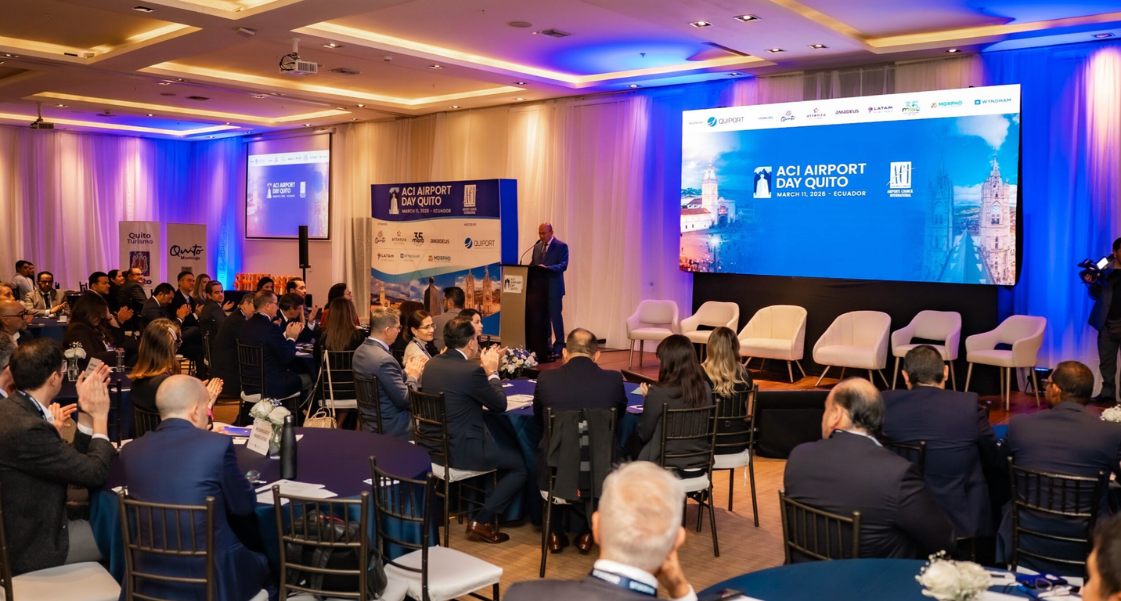
ACI Airport Day Quito gathered International Experts to Discuss the Development of Airport Cities and Made Important Announcements
ACI Airport Day Quito brought together global experts to discuss airport city development. Quiport unveiled cargo expansion and new routes to boost Ecuador’s connectivity.

Starting in April, the public will have access on their mobile phones to strategic information about Brazilian aviation.
The Ministry of Ports and Airports announced that the new app Hórus, developed by the National Civil Aviation Secretariat in partnership with UFSC’s LabTrans, will provide mobile access to nationwide airport data on infrastructure, operations, and performance.

The government launched a policy to reduce costs and improve the business environment in the aviation sector
The Connect Agenda also focuses on regulatory safety to boost the industry.
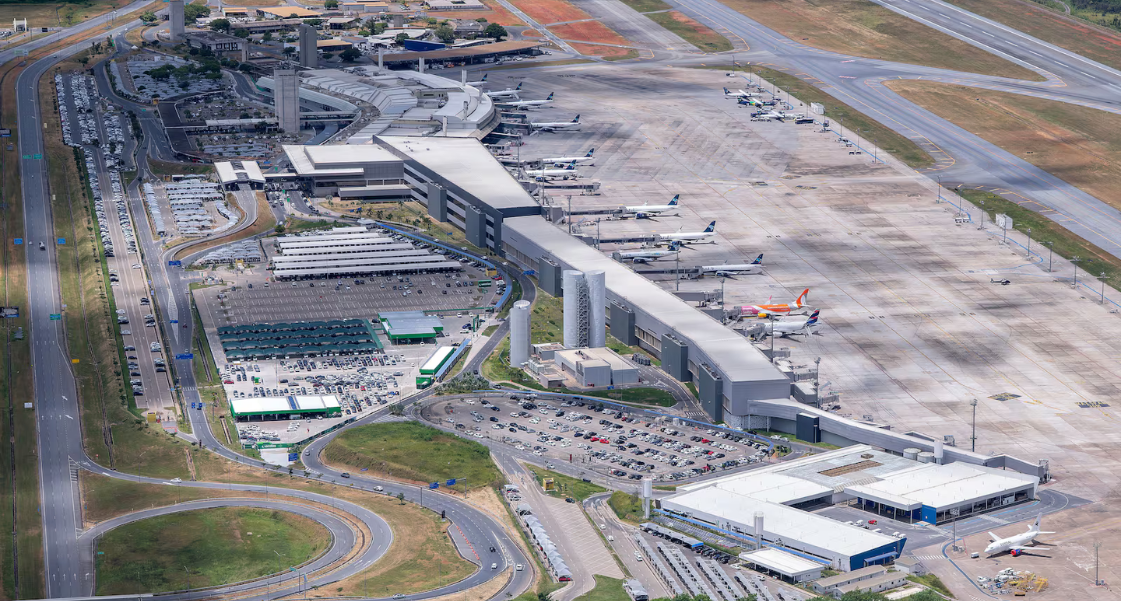
Brazil ranks second worldwide in number of airports, yet flies less than it should
IATA’s annual safety report provides a global overview of civil aviation

The Galeão Airport auction secures R$ 2.9 billion and marks a new phase in the concession.
The bidding process at B3 restructures the contract, guarantees investments, and supports the terminal’s growing traffic

Aeropuertos Andinos del Perú to invest over US$ 470 million to modernize airport infrastructure in Arequipa and southern Peru
Aeropuertos Andinos del Perú (AAP) signed an addendum with the Ministry of Transport and Communications (MTC) that will drive a portfolio of projects aimed at improving infrastructure and services in airports across the southern region of the country.
Transoft: AirTOP Runway Capacity Has a New Name
The AirTOP Runway Capacity Analyzer module is now known as Runway Capacity. The change reflects a clearer, more direct description of the module’s purpose.

Congonhas receives the monorail promised for the 2014 World Cup after more than a decade of delays and becomes the first airport in Brazil with integrated subway.
After years of waiting, the capital of São Paulo finally integrates the airport into the metro-rail system with monorail technology and promises to transform urban mobility

Punta Cana becomes the first Dominican airport to join the Sunflower program
The airport has implemented the Hidden Disabilities Sunflower initiative to assist passengers with non-visible conditions.

VINCI Group appoints Cyril Girot as the new CEO of Aerodom.
VINCI Airports has named him Director General of Aeropuertos Dominicanos Siglo XXI, effective April 1, 2026, supporting the Group’s ambition to ensure operational performance and the successful execution of strategic projects.

Santiago de Chile Airport Publishes its First Sustainability Report
The document highlights the economic, social, and environmental impact of the country’s main air terminal, with an estimated contribution of 110,000 jobs, 697 tons of recycled waste, and operations supplied entirely by renewable energy sources.

Public Works advances the open skies policy together with ICAO in Peru.
To follow up on the efforts led by Minister Mauricio Zamora, the Directorate General of Civil Aviation (DGAC) is moving forward with the open skies policy in collaboration with the International Civil Aviation Organization (ICAO) in Lima, Peru.

The air industry is the most affected by the Middle East conflict, according to the WTTC
The World Travel & Tourism Council warned of negative impacts on global tourism, including reduced air connectivity, declining international visitors, rising fuel prices, and higher airfares.